
Biophilic Design: How to Bring Nature Indoors in Urban Homes
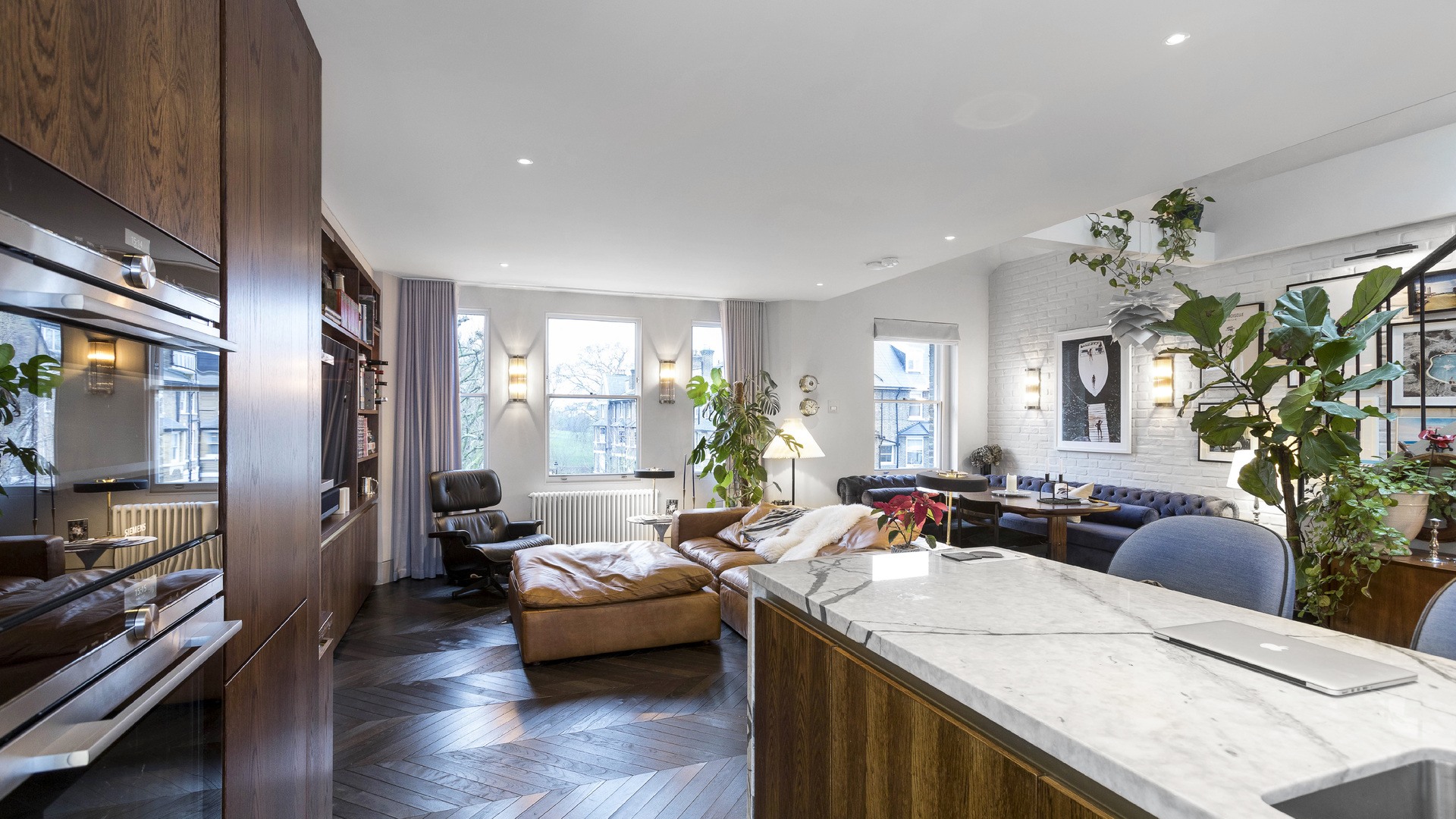
Biophilic design is an architectural and interior layout approach that integrates natural elements into built environments to lower stress, improve cognitive focus, and build healthier urban homes. Living in fast-paced cities often means being surrounded by concrete, glass, and artificial light. By introducing organic textures, fresh air, and daylight, this philosophy transforms crowded urban spaces into balanced, restorative sanctuaries that bring people closer to nature.
To see how these principles look in practice, you can explore the portfolio of completed sustainable properties at dRAW Architecture.
The Evolution of Nature-Led Architecture
The roots of biophilic design trace back to the organic architecture movement, which argued that buildings should exist harmoniously with their surroundings. Modern visionaries have expanded this idea to create urban buildings that breathe using integrated plant life, open air, and daylight.
Today, sustainable design philosophy goes hand in hand with biophilia. Architects focus on spaces that not only conserve natural resources but also actively nurture human health. This movement represents a collective shift toward structural designs that prioritise emotional comfort, ecological balance, and long-term wellbeing.
What is the history of biophilic design in architecture?
The roots of biophilic design trace back to the organic architecture movement, which argued that buildings should exist harmoniously with their surroundings. Modern visionaries have expanded this idea to create urban buildings that breathe using integrated plant life, open air, and daylight.
Today, sustainable design philosophy goes hand in hand with biophilia. Architects focus on spaces that not only conserve natural resources but also actively nurture human health. This movement represents a collective shift toward structural designs that prioritise emotional comfort, ecological balance, and long-term wellbeing.
What are the core principles and elements of biophilic design?
Biophilic design is based on the idea that humans have an innate biological need to connect with nature. This concept is often explained through six key elements developed by environmental scholar Stephen R. Kellert.
His framework organises design patterns into direct experiences of the natural world (such as light, air, and water) and indirect experiences (such as organic shapes, textures, and materials that imitate nature). Understanding these patterns allows architects to ensure that every structural detail, from building layout to surface textures, actively contributes to a sense of baseline calm and health.
What are the benefits of biophilic architecture in human health?
Scientific studies show that exposure to natural environments has a direct, positive impact on human health. Incorporating biophilic principles into architectural spaces leads to improved mental clarity, lower stress levels, and increased daily creativity.
From a physical standpoint, nature-led design improves indoor air quality through natural ventilation and indoor plants, supports healthy circadian rhythms with daylight exposure, and encourages physical relaxation through natural sounds and tactile textures. These combined structural benefits promote a healthier and more productive lifestyle.
What are the 6 elements of biophilic design?
Environmental scholar Stephen R. Kellert organised biophilic design into six foundational elements. These patterns govern how humans emotionally and physically respond to built spaces.
1. Environmental Features
This element introduces physical pieces of the outdoors directly into your indoor rooms. Key features include living plants, natural stone, timber details, and water installations. These elements instantly soften a room and add sensory warmth. This is a priority for the best London architects who understand the unique challenges of the city’s density.
London Case Study
In a contemporary London residence, the design team at dRAW Architecture used oak wall panels and textured stone flooring to create a grounded atmosphere. Placing living plants near large windows maximised daylight and improved indoor air quality, making a compact space feel alive and peaceful.
2. Natural Shapes and Forms
Nature rarely features perfectly straight lines or rigid angles. This element embraces curves, waves, arches, and biomorphic outlines to lay out rooms that reduce visual tension and encourage physical relaxation. These organic principles are particularly effective in rural projects, such as these barn conversion ideas in the UK, where the building’s history already shares a deep bond with the land.
3. Natural Patterns and Processes
This pattern mirrors the cycles of the outdoor world. It includes finishes that age gracefully over time, such as copper that develops a natural patina or timber that deepens in tone, reminding occupants of life's natural rhythm.
4. Light and Space
Natural light architecture uses skylights, glass partitions, and open floor plans to capture shifting daylight. This plays with shadows and reflections to protect human biological rhythms and keep rooms feeling breathable.
5. Place-Based Relationships
This element connects a building to its specific geographic location. Architects use site-specific design, local history, and regional materials like reclaimed brick or native plants to strengthen a resident's sense of local belonging.
6. Evolved Human-Nature Relationships
This looks at our deep psychological bond with the earth. Design layouts balance a sense of refuge (feeling safe and protected) with prospect (having open views to observe your surroundings) to support mental clarity.
What are real-world examples of biophilic architecture?
Biophilic design has inspired remarkable architectural projects worldwide that balance sustainability, beauty, and human health:
- Bosco Verticale (Milan): A pair of residential towers covered with over 900 trees and thousands of plants that purify urban air and regulate indoor temperatures.
- Oasia Hotel Downtown (Singapore): A high-rise structure featuring a lush vertical garden that successfully combines energy efficiency with local urban biodiversity.
- Maggie’s Centres (UK): Specialized healthcare environments explicitly designed to reduce patient stress through indoor greenery, natural light, and soft materials.
In London, dRAW Architecture also embraces green architecture, blending natural textures, plant life, and daylight to make modern city homes feel intimately connected to nature.
How to add biophilic design to your home?
You do not need a large budget or a major structural renovation to bring nature into your current living space:
- Install living plants: Use ferns, peace lilies, or pothos to purify indoor air.
- Select raw materials: Use sustainable cork, bamboo, clay, or linen fabrics.
- Maximise ventilation: Use cross-ventilation pathways to keep fresh air moving.
- Add sensory details: Introduce small indoor water fountains to mask urban noise.
- Choose earth tones: Repaint spaces with soft palettes inspired by sand, moss, and clay.
Working with professionals who understand biophilic design principles ensures every decision aligns with your goals for health, sustainability, and beauty. Experienced studios like dRAW Architecture specialise in blending natural elements with modern functionality, creating homes that breathe. From selecting eco-friendly materials to optimising natural light and ventilation, architects can translate biophilic concepts into practical, lasting results.
Working with an experienced studio ensures that these options align with your technical goals for health and structural sustainability. To view creative design ideas and project case studies across the UK, visit our architectural works.
How to hire a biophilic architect?
Integrating complex natural elements with modern functionality requires careful professional planning to prevent technical errors.
Step 1. Specialist Consultation: Partner with certified ARB-registered and RIBA-chartered architects who understand biophilic principles.
Step 2. Avoid Basic Drawing Services: Skip cheap, non-regulated design packages that often ignore critical drainage, ventilation, and material details.
Step 3. Agile Construction Management: Execute the building phase with flexible, precise oversight to protect environmental performance.
FAQs on Biophilic Design
What is the biophilia hypothesis?
The biophilia hypothesis is a scientific concept introduced by biologist E.O. Wilson in 1984. It states that human beings possess an innate, evolutionary desire to connect with nature and other living systems. Biophilic architecture uses this concept to design spaces that satisfy this biological need, leading to lower blood pressure, reduced anxiety, and improved mental health.
How does biophilic design support human health?
Biophilic design improves physical health by boosting indoor air quality through natural plants and fresh air circulation. Exposure to natural light patterns regulates your circadian rhythm, which leads to better sleep quality and higher daytime energy. Psychologically, spaces built with natural materials lower cortisol levels, reduce daily stress, and increase cognitive clarity.
How is biophilic design shaping the future of cities?
Biophilic architecture is a cornerstone of modern sustainable city planning. It integrates green roofs, vertical gardens, and public pocket parks directly into high-density urban developments to clean city air and reduce the urban heat island effect. As smart home technology evolves, automated systems also help monitor indoor light, manage air quality, and irrigate vertical plant walls efficiently.
Why is biophilic design more than a temporary trend?
Biophilic design is a permanent shift in architecture because it addresses the core health issues caused by modern indoor lifestyles. It moves away from sterile, synthetic environments toward spaces that improve quality of life, boost long-term property value, and satisfy global environmental targets. It treats nature as a structural necessity rather than a decorative addition.
If you are ready to plan a nature-inspired renovation or a new sustainable build, contact the best architecture studio in London.