
Interior Design Trends 2026: The Future of Home Style in the UK
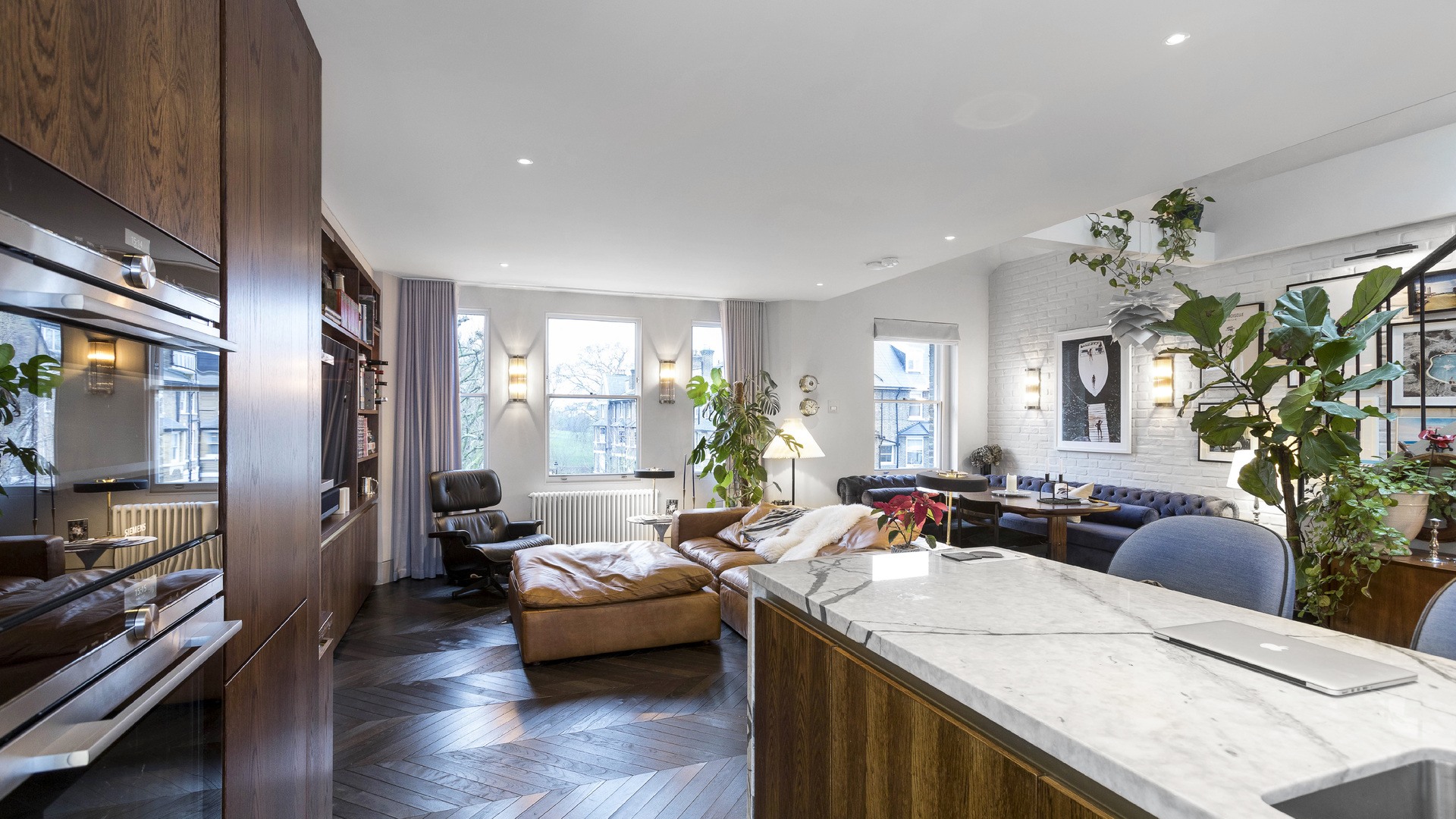
The year 2026 is shaping up to be an exciting moment for interior design, where technology, sustainability, and comfort come together in new ways. As lifestyles evolve and homeowners place greater emphasis on wellbeing, interior design is shifting from visual appeal to functional harmony. From natural materials and warm tones to intelligent lighting and modular layouts, the focus is on creating spaces that feel grounded yet future-ready. At dRAW Architecture, we’ve observed how British homeowners are blending timeless elegance with innovation, shaping interiors that reflect individuality while meeting the environmental expectations of the modern world. This article explores the most influential interior design trends of 2026 and offers insights on how to bring them into your own home.
What are the key interior design trends shaping 2026?
Lifestyle shifts are driving many of the design trends for 2026. Remote work, environmental awareness, and the growing need for flexible living spaces are leading to interiors that feel both practical and restorative. Homes are being redesigned to serve multiple functions, offices, gyms, and relaxation zones, without losing their sense of cohesion. Natural light, open-plan layouts, and biophilic features such as indoor plants and timber accents are central to this transformation. Homeowners want to live in spaces that support wellbeing while reducing stress. Design is becoming more personal and experience-driven, with furniture and layouts tailored to daily routines rather than fashion cycles. The focus is on connection, between people, places, and the materials they live with every day.
What are the biggest design priorities for UK homeowners in 2026?
Across the UK, sustainability, comfort, and individuality are the top priorities for 2026 interiors. Homeowners are moving away from mass-produced items and investing in quality craftsmanship and eco-conscious materials. Energy efficiency, recyclable finishes, and locally sourced products are influencing every design decision. Smart home technology is being used to monitor lighting, heating, and air quality, helping residents live more efficiently. Aesthetic priorities are also changing; people are embracing calming colours, natural fabrics, and adaptable furniture that can evolve with their needs. In London and across the country, the goal is to achieve balance: spaces that look beautiful yet function effortlessly within daily life.
Which materials and finishes will define 2026 interiors?
Yes, natural and recycled materials are continuing to dominate the design landscape in 2026. Wood, stone, bamboo, cork, and lime plaster are being used widely for their timeless appeal and minimal environmental impact. Recycled metals, reclaimed bricks, and reprocessed glass are also gaining attention as designers aim to reduce construction waste. These materials create warmth and authenticity while contributing to a healthier indoor environment. Even in modern apartments, the texture of raw materials adds depth and character, proving that sustainability doesn’t mean sacrificing style. The renewed appreciation for craftsmanship and honesty in design materials reflects a wider shift toward responsible living and enduring quality in UK interiors.
Our Alderbrook project illustrates this beautifully, merging contemporary, light-filled spaces with structural glass forms, while our waterfront project Barnes on the River showcases how materiality harmonises with its natural surroundings. The renewed appreciation for craftsmanship and honesty in design materials reflects a wider shift toward responsible living and enduring quality in UK interiors.
How are designers blending sustainability with luxury?
Luxury in 2026 is being redefined through sustainability. Instead of excess, it’s about refinement and conscious choices. Designers are focusing on longevity, investing in durable, high-quality pieces that age gracefully. Materials such as recycled marble, bio-based composites, and sustainably sourced hardwoods combine sophistication with environmental responsibility. Lighting and finishes are chosen for their natural glow and tactile comfort rather than sheer opulence. This balanced approach creates interiors that feel elegant yet grounded, showing that true luxury now lies in integrity, craftsmanship, and environmental respect. Homeowners appreciate the quiet richness that comes from materials that tell a story and endure over time.
This balanced approach creates interiors that feel elegant yet grounded, showing that true luxury now lies in integrity, craftsmanship, and environmental respect. A prime example of this can be seen in our work at Eaton Place, where classical grandeur meets bold, modern design through rich walnut joinery, bespoke marble detailing, and a sculptural spiral staircase that completely redefines traditional opulence. Homeowners appreciate the quiet richness that comes from materials that tell a story and endure over time.
What colours and textures will dominate 2026 home design?
How are colour trends shifting toward wellness and warmth?
Colour psychology is playing a major role in 2026 interiors. As people prioritise calm and wellbeing, warm neutrals, muted greens, and earthy tones are taking centre stage. These shades create restful environments that promote relaxation and focus. Designers are using layered palettes, blending soft beige or taupe with gentle terracotta and clay undertones, to create depth without overwhelming a space. Wellness-driven colour schemes also pair well with natural light and organic textures, helping rooms feel balanced and inviting. For accent tones, rich navy, olive, and auburn are emerging favourites, adding depth to otherwise minimalist designs. The goal is emotional comfort, achieved through warmth and balance.
Wellness-driven colour schemes also pair well with natural light and organic textures, helping rooms feel balanced and inviting. For accent tones, rich navy, olive, and auburn are emerging favourites, adding depth to otherwise minimalist designs. We applied these exact principles in Marylebone Mews 1, creating heavily layered, texturally rich interiors and bespoke joinery that evoke immediate emotional comfort, warmth, and balance.
Why are clay tones, neutrals, and bold contrasts taking centre stage?
Clay and terracotta tones continue to resonate because of their grounding and timeless nature. They work well with both traditional and contemporary architecture, creating an earthy base that feels organic and approachable. However, 2026 will also celebrate contrast, pairing soft neutrals with bold colour moments. Charcoal, midnight blue, and deep burgundy are being used to add drama to muted spaces. Texture is equally important: matte finishes, woven fabrics, and tactile plaster surfaces give interiors a sense of craftsmanship. This mix of softness and contrast allows homeowners to express individuality without losing harmony in the overall design.
How is technology transforming interior design in 2026?
What role will AI and virtual design tools play in home styling?
Technology is reshaping how interiors are planned and experienced. AI-driven design tools now allow homeowners to visualise entire rooms in real time, test layouts, and experiment with finishes before committing. Virtual reality walkthroughs and digital mood boards help refine ideas more efficiently. In 2026, this digital support is merging creativity with precision, ensuring spaces look beautiful and perform effectively. Architects and designers are also using AI to analyse light flow, energy use, and air quality, leading to smarter design decisions. These tools make the design process more interactive, allowing clients to feel engaged and confident about their choices from the start.
Can smart home systems improve comfort and creativity?
Absolutely. Smart home systems are becoming essential to modern living in 2026. Automated lighting adjusts brightness based on the time of day, while voice-controlled temperature systems improve energy efficiency. Integrated sound and scent technologies are being used to create more immersive atmospheres, enhancing comfort and mood. These systems also support creativity, allowing residents to adjust spaces instantly for work, relaxation, or entertaining. Designers are prioritising discreet integration so technology complements interiors without overpowering them. The result is homes that adapt intuitively to the people who live in them, blending innovation with comfort and efficiency.
Which furniture and layout styles are trending for 2026 homes?
How are curves, layers, and modular design redefining interiors?
Curved furniture and modular layouts are transforming how people experience their living spaces. Softer forms, rounded edges, and layered compositions are replacing sharp, linear aesthetics. These shapes encourage a sense of comfort and flow, helping rooms feel open and relaxed. This ethos is heavily evident in the studio transformation of our own workspace, dRAW HQ, where industrial tones and sharp geometries are balanced by a bold, monolithic curved reception desk and open-plan zoning that maximizes light and collaborative flow.
Why are comfort and flexibility key to modern living spaces?
Comfort and flexibility have become essential design values because homes now serve multiple functions throughout the day. The living room may double as an office, and dining areas may also serve as social hubs. Designers are creating interiors that shift easily between these roles through lighting, furniture, and zoning. Plush materials, ergonomic designs, and acoustic solutions make spaces more liveable and adaptable. Our residential transformation at Pursers Cross perfectly exhibits how modern layouts can integrate high-end lifestyle amenities, ensuring a home evolves naturally with the daily routines of luxury urban living. Flexible design also supports sustainability, reducing the need for constant renovations by allowing interiors to evolve naturally. In 2026, comfort is seen as the highest form of luxury, with interiors designed to nurture daily life as well as personal wellbeing.
What interior design concepts are inspiring a sense of wellbeing?
Interior design in 2026 increasingly prioritises wellbeing, recognising that the home is a space for mental, physical, and emotional balance. Designers are integrating natural light, ventilation, and calm colour palettes to promote a sense of relaxation. Spatial planning now includes quiet corners, multifunctional areas, and ergonomic furniture that supports posture and comfort. Soft textures, acoustic treatments, and soothing lighting are used to reduce stress and enhance daily living. By focusing on wellbeing, interiors are becoming more than just visually appealing; they are functional environments that nurture health and productivity. These trends are particularly important in urban homes, where residents seek refuge from noise, pollution, and the pace of city life.
How does biophilic design connect homes to nature?
Biophilic design brings natural elements into the home to support mental and physical health. This includes indoor plants, living walls, natural timber, stone, and materials with organic textures. Large windows and skylights are used to maximise daylight and connect interiors with the outside environment. In London homes, courtyards, balconies, or rooftop gardens allow residents to experience greenery without leaving the city. Studies show that biophilic elements can reduce stress, improve concentration, and even enhance immune response. By incorporating plants, water features, or natural light, homeowners can create a harmonious link between their living space and the rhythms of the natural world.
In London homes, creating a dedicated architectural anchor for nature is paramount. This concept is perfectly realized in our Belgravia Mews House project, which features a tranquil, plant-filled central atrium. This feature floods the property with natural light and allows the resident to take in views of peaceful greenery directly from a sculptural freestanding bath, establishing a serene indoor-outdoor link. Studies show that biophilic elements can reduce stress, improve concentration, and even enhance immune response. By incorporating plants, water features, or natural light, homeowners can create a harmonious link between their living space and the rhythms of the natural world.
What are wellness-focused spaces, and how can you design one?
Wellness-focused spaces are areas designed to support relaxation, activity, and personal wellbeing. Examples include meditation corners, home gyms, or reading nooks integrated within living rooms or bedrooms. Key design principles include natural light, calm colour schemes, comfortable seating, and minimal visual clutter. Acoustic treatments reduce noise, while air quality solutions such as HEPA filters or ventilation systems improve health. For multi-functional rooms, modular furniture ensures flexibility. Even small apartments can adopt wellness-focused strategies by incorporating plants, adjustable lighting, and textured surfaces that invite comfort. The aim is to create spaces that encourage mindfulness, physical health, and a sense of refuge from the stresses of everyday life.
How are sustainability and conscious living shaping 2026 interiors?
Sustainability is central to 2026 interiors, influencing material selection, energy use, and waste reduction. Homeowners and designers are seeking low-impact finishes, recycled materials, and energy-efficient appliances. Circular design principles encourage the reuse, refurbishment, and recycling of furniture and fixtures. Homes are being planned for longevity, with durable materials and flexible layouts that reduce the need for future renovations. Renewable energy integration, water-saving features, and smart home technology also contribute to conscious living. These approaches not only reduce environmental impact but also create healthier, more efficient homes that align with modern expectations of responsible living.
What are the most effective eco-friendly upgrades for modern homes?
Effective eco-friendly upgrades include high-performance insulation, triple-glazed windows, and energy-efficient lighting systems. Installing solar panels, heat pumps, and smart thermostats reduces energy use and bills. Using locally sourced timber, recycled metals, and low-VOC paints enhances environmental performance while improving indoor air quality. Water-saving measures, such as rainwater harvesting and greywater systems, further reduce the ecological footprint. Even small-scale upgrades, like LED lighting, programmable heating, or modular furniture, contribute to sustainability. These measures are practical, measurable, and compatible with both traditional and modern London homes.
How are architects and interior designers promoting circular design?
Circular design focuses on minimising waste and extending the lifecycle of materials and products. Architects and designers are specifying furniture, flooring, and finishes that can be reused or recycled. Modular construction allows elements to be disassembled and repurposed, while adaptive reuse projects convert old buildings with minimal environmental impact. In interiors, designers are selecting second-hand or refurbished items, sourcing materials from sustainable suppliers, and planning layouts that can evolve with changing needs. Circular design also encourages efficient procurement, reducing overproduction and limiting landfill waste. In 2026, these principles are shaping homes that are functional, stylish, and environmentally responsible.
How can you incorporate 2026 design trends into your own home?
Integrating 2026 trends begins with identifying your lifestyle needs and preferred aesthetics. Start by evaluating your existing space and considering where changes will have the most impact. Introducing warm, earthy tones, curved furniture, or modular lighting updates the interior without requiring a full renovation. Small-scale biophilic elements like indoor plants or natural materials can dramatically improve the feel of a room. Combining technology, such as smart lighting and climate control, with sustainable choices ensures your home is both modern and responsible. Consistency is key: select trends that complement each other to create a cohesive and timeless environment rather than chasing multiple fleeting styles.
What practical steps can homeowners take to refresh their interiors?
Homeowners can refresh interiors by first decluttering and reorganising spaces to improve flow and functionality. Introducing statement pieces, like curved sofas or sculptural lighting, can add modern flair. Update colour schemes with trending shades such as clay, terracotta, or bold monochromes, paired with layered textures for depth. Integrate natural materials and indoor plants to improve air quality and wellbeing. For tech-savvy households, adding smart controls for lighting, temperature, and sound systems can enhance comfort and efficiency. Even small interventions, such as replacing soft furnishings or swapping artwork, can make interiors feel contemporary while remaining practical and budget-conscious.
Which design trends suit London homes and apartments best?
London homes often have compact layouts or period features, requiring careful adaptation of 2026 trends. Biophilic elements, neutral palettes, and flexible furniture work well in apartments with limited natural light. Curved furniture and modular systems help optimise flow and maximise space. Sustainable materials, including reclaimed timber or recycled metals, are ideal for urban settings where environmental impact matters. Lighting strategies, such as layered and adjustable fixtures, make smaller interiors feel spacious and adaptable. By blending functional design with natural textures, bold accents, and eco-conscious upgrades, London homeowners can achieve interiors that feel both modern and comfortable while respecting the character of the property.
How can dRAW Architecture help you design a timeless, trend-aware home?
At dRAW Architecture, we specialise in creating interiors that combine modern trends with practicality and sustainability. We guide clients through every step, from initial concept to execution, ensuring spaces are functional, stylish, and future-ready. Our team integrates the latest colour palettes, materials, and furniture innovations while considering environmental impact and long-term value. We customise designs to meet lifestyle needs, whether that involves multi-functional layouts, smart home technology, or wellness-focused spaces. By combining expertise in architecture, interior design, and sustainability, we help clients achieve homes that reflect current trends yet remain timeless and personalised.
What makes our interior design approach creative, modern, and sustainable?
Our approach balances creativity with practicality. We explore bold colour schemes, unique textures, and innovative furniture layouts while ensuring comfort and durability. Sustainability is embedded in every decision, from material sourcing to energy-efficient solutions. We also consider how spaces will evolve over time, designing interiors that are adaptable and long-lasting. By merging trend-aware design with functional, eco-conscious principles, we create homes that are visually striking, practical, and environmentally responsible. This approach ensures that London homeowners receive spaces that are both stylish today and remain relevant for years to come.
How do we blend 2026 trends with personal style and functionality?
Each client brings unique preferences, lifestyle requirements, and aspirations. We start by understanding these priorities and then incorporate 2026 trends in ways that enhance individuality. For example, bold colour palettes are applied selectively to suit personal taste, curved or modular furniture is integrated to improve usability, and biophilic elements are chosen to reflect the homeowner’s connection with nature. Technology, lighting, and layouts are designed to be intuitive and adaptable. The result is a home that is on-trend yet completely tailored to the resident’s life, blending aesthetics, comfort, and sustainability seamlessly.