
Risk Management in Construction Projects – How to Identify, Evaluate, and Control Construction Risks
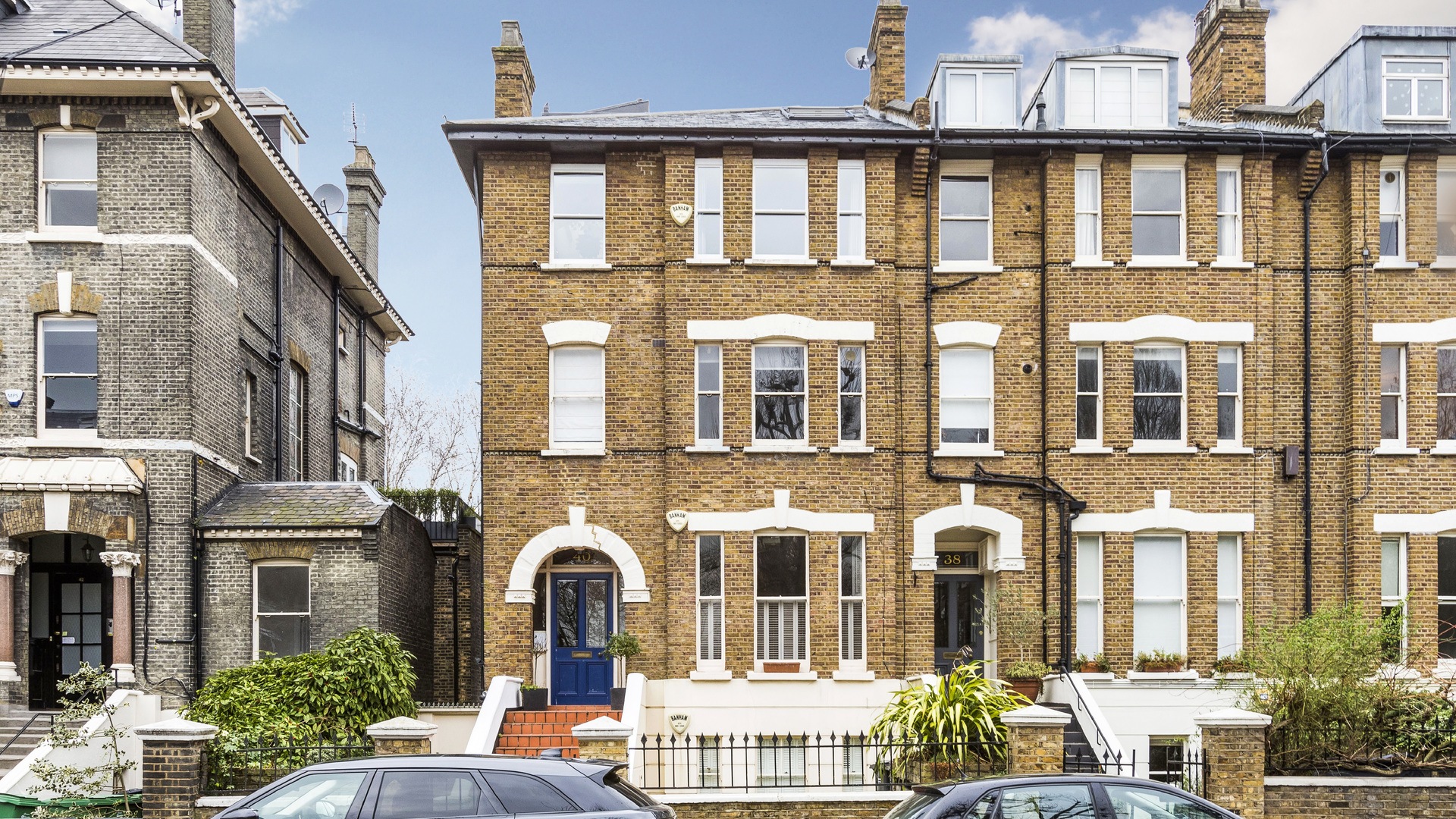
Every construction project in the UK, whether a private home or a large commercial site, carries a degree of uncertainty. Effective risk management in construction projects is what separates successful builds from costly or delayed ones. Without a clear plan to identify, evaluate, and control risks, even a well-designed project can face financial loss, safety hazards, or compliance issues. By applying structured construction risk management UK practices early on, project teams can anticipate potential challenges, create backup plans, and ensure delivery remains on schedule and within budget. Risk management is not about avoiding problems entirely but about understanding where risks exist and putting strategies in place to reduce their impact through proactive project risk assessment and construction risk control planning.
What Is Risk Management in Construction Projects and Why Does It Matter?
Risk management in construction refers to the systematic process of identifying potential problems that might affect a project’s objectives and developing strategies to control or eliminate them. In the construction industry, these risks can arise from many sources, design errors, cost fluctuations, weather conditions, or regulatory changes. A well-structured approach helps teams maintain control over budgets, timelines, and safety performance.
The importance of risk management lies in its ability to prevent small issues from escalating into serious project delays or financial losses. For example, by identifying supply chain risks early, teams can source alternative materials or contractors before shortages affect progress. In the UK, compliance with Construction (Design and Management) Regulations (CDM) and guidance from the Health and Safety Executive (HSE) ensures safety and accountability on site. Regular assessments, updated risk registers, and communication between stakeholders create a culture of control and preparedness, leading to smoother project delivery and fewer unexpected disruptions.
Who Is Responsible for Risk Management in Construction Projects?
Successful construction risk management depends on collaboration between multiple professionals, each playing a vital role in spotting and managing different risks throughout the project.
- Client / Developer: Defines the overall objectives, budget, and acceptable risk tolerance. Their decisions influence the project’s financial stability and delivery strategy.
- Architect / Designer: Identifies design-related risks, ensures compliance with UK Building Regulations, and coordinates with consultants to prevent structural or planning issues.
- Project Manager: Oversees the project’s execution, monitors progress, and ensures that risk assessments and mitigation actions are implemented effectively.
- Principal Contractor: Manages day-to-day site operations, health and safety practices, and communication between subcontractors to minimise on-site hazards.
- Health and Safety Officer: Ensures adherence to HSE standards, carries out site inspections, and keeps incident reports up to date.
When these roles communicate clearly and share information early, risks are reduced before they impact performance. Collaborative project manager responsibilities in the UK construction industry create a transparent system where issues are logged, tracked, and addressed promptly, turning potential setbacks into controlled, manageable outcomes.
What Are the Common Types of Risks in Construction Projects?
Construction projects face a wide range of risks that can affect quality, cost, and completion times. Understanding each category allows teams to plan better and respond faster when issues arise.
1. Financial and Budget Risks
These occur when costs exceed the approved budget due to inaccurate estimates, inflation, or material price increases. When starting a project, using a building a house estimate calculator can provide a realistic baseline. Additionally, clients often ask, "how much does it cost for an architect?"—understanding these fees early helps prevent strain on cash flow.
2. Design and Technical Risks
Incomplete designs, coordination errors, or structural issues can lead to costly rework. Early design reviews and cross-discipline coordination between architects and engineers reduce such risks.
3. Health and Safety Risks
On-site accidents, inadequate safety equipment, or poor site supervision can cause delays and penalties. Following UK construction safety management standards ensures all workers are trained and protected.
4. Legal and Regulatory Risks
Planning permission challenges, contract disputes, or breaches of UK building laws can stop work immediately. It is vital to understand the 10 year rule planning permission regarding enforcement, as well as being clear on how long is a planning permission valid for to avoid expiration. Regular legal reviews and clear contracts prevent misunderstandings.
5. Environmental and Site Risks
Projects can face environmental issues such as unstable ground or flooding. For existing structures, you may need to ask "what is retrofitting?" to improve energy performance safely. Proper site surveys and environmental assessments should be conducted before construction begins.
6. Time and Scheduling Risks
Delays caused by supply shortages or labour issues affect delivery. To manage this, teams must map out the various building construction phases. Using a detailed programme schedule and tracking tools helps monitor progress in real time.
Understanding and documenting these construction project risks in the UK gives every stakeholder a clearer view of where potential disruptions could occur. By managing them through consistent monitoring and collaboration, teams ensure greater control, accountability, and project success.
What Are the Main Stages of the Construction Risk Management Process
Effective risk management in construction is not a one-time exercise—it’s an ongoing process that evolves with the project. Each stage builds upon the last to ensure that potential threats are not just recognised but properly controlled. In UK construction, these five stages form the foundation of a strong construction risk management process that supports safer, more predictable outcomes.
1. Risk Identification
The first step is identifying every possible risk that could affect project performance. This includes financial, technical, environmental, legal, and safety-related risks. Teams use workshops, design reviews, and detailed site analyses to detect issues early. For example, identifying poor soil quality before excavation begins can prevent costly foundation problems later. Early detection allows project teams to create a comprehensive risk assessment in a construction document that remains active throughout the build.
2. Risk Analysis and Evaluation
Once identified, each risk must be analysed for its potential impact and likelihood of occurrence. Both qualitative and quantitative methods are used, ranging from expert judgment to data modelling. This step helps determine which risks could affect the schedule, budget, or safety standards most severely. For instance, a delay in material delivery might have a medium probability but a high impact if no alternatives exist. Evaluating these factors allows project managers to set clear priorities for mitigation.
3. Risk Prioritisation
Prioritisation is achieved by ranking each risk based on its probability and impact. A risk matrix helps visualise which threats require immediate attention.
By using this system, construction managers can focus resources on the most significant threats instead of spreading efforts thin across low-impact issues.
4. Risk Response and Treatment
After prioritising risks, teams decide how to respond. This often involves the procurement stage; to ensure transparency, firms must clearly define tendering process protocols to select the right contractors. Typical risk mitigation strategies in UK construction include:
- Avoidance: Changing plans or designs to remove the risk.
- Transfer: Using insurance or subcontracting to shift responsibility.
- Reduction: Implementing controls to minimise impact (e.g., better safety training).
- Acceptance: Acknowledging minor risks that are unlikely to cause major problems.
Choosing the right strategy ensures that each risk is handled cost-effectively and responsibly.
5. Risk Monitoring and Review
Risk management doesn’t stop once responses are in place. Continuous monitoring ensures risks are tracked throughout the project’s lifecycle, including post-handover. Regular site meetings, updated risk registers, and communication between stakeholders keep management active and relevant. In the UK, monitoring must also align with HSE safety guidance and CDM Regulations, ensuring all documentation and actions meet compliance standards.
What Should Be Included in a Construction Risk Management Plan
A well-structured construction risk management plan UK serves as a roadmap for identifying, assessing, and managing project risks from start to finish. It outlines how risks are tracked, who is responsible, and how they are controlled.
Key components include:
- Project Overview and Objectives: Define the project’s scope, goals, and success criteria.
- Identified Risks and Categories: List all potential financial, environmental, and safety risks.
- Risk Register or Risk Matrix: Document each risk, its rating, and mitigation strategy.
- Mitigation Strategies and Contingency Actions: Outline preventive and corrective measures.
- Monitoring and Reporting Schedule: Define how often risks are reviewed and updated.
- Assigned Responsibilities and Communication Plan: Clarify who handles which tasks and how updates are shared.
A clear plan like this provides structure, accountability, and transparency for all parties involved.
How Can Technology Help Manage Risks in Construction Projects
Modern technology has transformed digital risk management in the UK construction sector. Tools like BIM, cloud collaboration platforms, and digital safety systems allow project teams to track, analyse, and control risks in real time.
- BIM (Building Information Modelling): Enables teams to visualise potential design conflicts before construction begins, reducing errors and rework.
- Project Management Software: Systems such as Procore, Autodesk Construction Cloud, or MS Project track progress, budgets, and schedules efficiently.
- Health & Safety Apps: Digital checklists and reporting tools ensure compliance with HSE requirements and help log on-site incidents instantly.
- Cloud Collaboration Tools: Shared dashboards improve communication among architects, contractors, and clients, ensuring that risk updates are visible to everyone involved.
These tools enhance accountability and make Construction Technology UK a driving force in safer, more efficient builds.
What Are the Benefits of Effective Risk Management in Construction
When applied correctly, risk management delivers measurable benefits across safety, cost, and performance. Projects become more predictable, and stakeholders can make informed decisions based on real data.
Key Benefits:
- Reduced Cost Overruns and Delays: Anticipating risks helps prevent budget blowouts and schedule interruptions.
- Improved Worker Safety: Compliance with safety regulations reduces accidents and insurance claims.
- Higher Client Confidence: Clear communication and documentation boost trust between clients and project teams.
- Better Sustainability: Managing environmental risks supports energy-efficient and low-impact construction.
Proactive construction project success factors like these lead to higher-quality outcomes and stronger reputations for both builders and architects.
How dRAW Architecture Implements Risk Management in a London Project
For a recent London residential project, dRAW Architecture managed several risks through early assessment and structured coordination. The site had limited access and strict planning conditions due to conservation restrictions. By using BIM modelling and regular workshops, the team identified design conflicts before they reached construction.
Through careful planning, the project stayed within the original 10-month schedule, proving how architecture-led project risk management creates tangible results.
How to Create a Risk-Ready Construction Project – Practical Tips
Building a risk-ready construction project requires both preparation and teamwork. Here are practical steps every developer or homeowner should follow:
- Start Early: Begin risk planning during the design phase to prevent reactive decisions later.
- Hire Experienced Professionals: Work with architects and project managers who understand both design and construction risks.
- Maintain Clear Communication: Regular meetings and transparent reporting keep everyone informed.
- Review and Update Regularly: Risks change over time; update the register to reflect current conditions.
- Leverage Data: Use digital tools and previous project data to make smarter, evidence-based decisions.
By following these risk management tips in construction, you can ensure smoother delivery and long-term success.
Final Thoughts: Managing Construction Risks for Safer, Smarter Builds
Strong risk management doesn’t eliminate uncertainty, but it gives teams control over how they respond to it. From identifying hazards to implementing solutions, every step contributes to a safer, more predictable project. With expert guidance from professionals who understand UK construction standards, you can turn potential setbacks into opportunities for improvement.
Speak to our team at dRAW Architecture for expert Construction Project Management in London. We help you identify challenges early and deliver projects safely, efficiently, and within budget.